Adult ADHD · Autism · Neurodivergence
Therapy for adults with ADHD and autism
A neuro-affirming space to make sense of how your mind works, and what it has cost you to fit in.
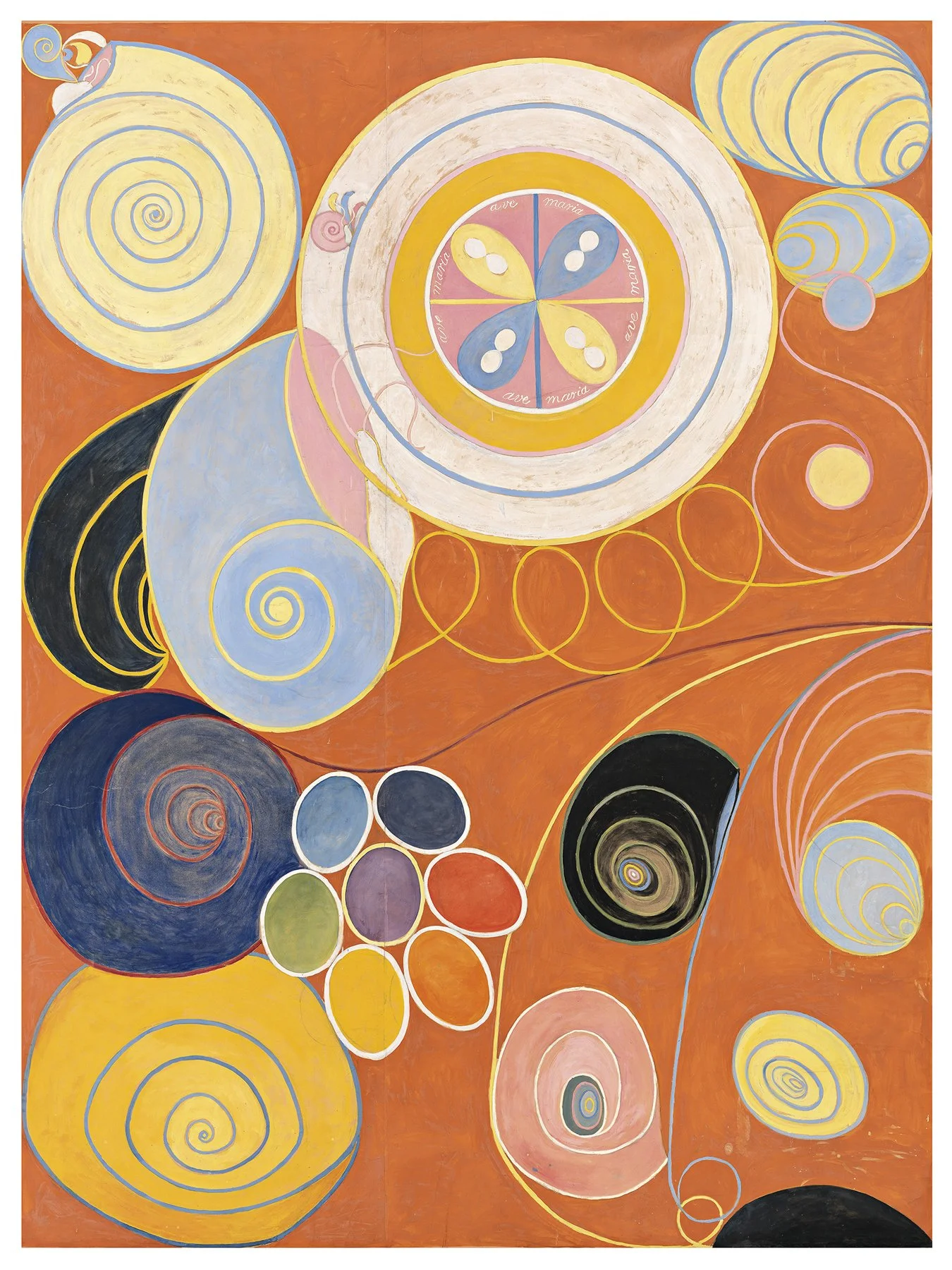
Become · Hilma af Klint, The Ten Largest, No. 3, Youth, 1907
Beyond coping strategies
Many of the adults I see have spent years being told they were lazy, too much, not trying hard enough. A diagnosis of ADHD or autism, especially a late one, can bring huge relief, and grief for the years spent struggling without understanding why.
Therapy with me isn’t about forcing your mind to work like someone else’s. We explore focus, overwhelm, sensory load, emotional regulation, rejection sensitivity and identity, and how they show up in your work, relationships and daily life. Alongside that depth we find practical approaches that actually fit you.
I have written about this in Late-diagnosed ADHD: what therapy needs to offer.
Who it’s for
Adults exploring or living with ADHD, autism or both, whether formally diagnosed, self-identified or still wondering. People dealing with burnout or masking, relationship strain, or the aftermath of a late diagnosis.
You don’t need a diagnosis to start. Whether you’re formally diagnosed, self-identified or still wondering, you’re welcome here.
Questions
I think I might be ADHD or autistic, but I’m not sure. Is this the right place to start?
Yes, and it’s one of the most common places people start. Often there’s a long history behind the question: school reports that said “bright but doesn’t apply themselves”, a sense of working twice as hard as everyone else for the same result, friendships or jobs that went wrong in ways that never quite made sense.
You don’t need an answer before we begin. We can take the question seriously, look at your life with curiosity rather than judgement, and see what fits. For some people that leads to a formal assessment; for others the understanding itself is what matters.
Can therapy help me work out whether to seek an assessment?
It can. A diagnosis is made by a psychiatrist or specialist assessment service, and I can talk you through the routes, NHS and private, and what the process tends to involve.
Just as important is what a label would mean to you. For some people it’s permission to stop blaming themselves; for others it stirs up fear of being boxed in. Therapy is a good place to think that through, before, during or after an assessment, so whatever you find out lands somewhere safe.
I’ve just been diagnosed as an adult. Why do I feel relief and grief at the same time?
Because both are true. Relief that there’s finally a reason, and that it was never laziness or a flaw in your character. Grief for the younger you who struggled without help, for the opportunities that slipped, and for the years spent trying to be someone else.
Some people also feel anger, or a strange loss of identity: if this is ADHD or autism, then who am I? These are big feelings and they deserve room. Making sense of your own story in this new light is often the most meaningful part of the work.
Will therapy try to make me more “normal”?
No. I’m not interested in training you to pass. Many neurodivergent adults have spent their lives masking: watching, copying, holding it together and then crashing at home. That takes an enormous toll.
The aim is the opposite: to understand how your mind actually works, what it’s good at and what costs it, and to build a life that fits you rather than one you have to keep performing.
How does a psychodynamic approach help with ADHD and autism?
ADHD and autism aren’t things to be analysed away. But growing up with a mind that works differently shapes everything: how you were treated, what you came to believe about yourself, how you love, work and protect yourself.
That’s where depth work comes in. We look at the shame, the rejection sensitivity, the inner critic and the patterns in relationships, not just the symptoms. When you understand why something hurts so much, it usually starts to hurt less.
Will we work on practical things too, like focus, overwhelm and burnout?
Yes. Depth and practicality aren’t opposites. Alongside the deeper work we can look at what happens in a real week: the task you can’t start, the shutdown after a busy day, the email that’s been sitting there for a month.
Rather than handing you a generic system, we work out what genuinely suits your brain, and what gets in the way when you try.
My relationship keeps hitting the same problems. Can you help with that?
Very often, yes. Forgetting, lateness, needing time alone, meltdowns or shutdowns, feeling criticised or misunderstood: these can turn into painful cycles between partners.
We can work on this in individual sessions, and I also see couples, where one or both partners are neurodivergent. Understanding what’s happening for each person usually changes the conversation from blame to something kinder.
Talking doesn’t always come easily to me. What are sessions actually like?
We go at your pace and shape sessions around what works for you. You’re welcome to fidget, pace, stim, take pauses or come back to something later. If you think more clearly in writing, you can bring notes.
The consulting room is quiet and private, and we can adapt the lighting and seating. Online sessions are available too, with camera on or off. If something about the setup isn’t working, I want to know.
How do I start?
Book a free 15–30 minute call. There’s no pressure and nothing to prepare. You can tell me as much or as little as you like, ask anything about how I work, and see whether it feels right.
Talk it through on a free call.